The Manuscript Library What It Isn't Our Research Curiosities Media Collaborate Resources

c. 1404–1438 · 240 pages · Unknown language · Beinecke MS 408

The manuscript
no one has read.

600 years. Still waiting.

Sometime in the early 15th century, someone sat down and filled 240 pages of vellum with text and illustrations unlike anything seen before or since. The language is unknown. The script has no parallel. The plants don't exist. The stars don't match. Six centuries of scholars, cryptographers, and linguists have tried — and failed — to read it. This is where we bring everything together.

Inside the Manuscript

Six Sections. Six Mysteries.

The Voynich Manuscript is divided into distinct sections, each stranger than the last. All images are public domain — Beinecke Rare Book & Manuscript Library, Yale University.
Biological section

Biological

The Bathing Women

Nude female figures in interconnected pools and tubes. No theory has satisfactorily explained this section.
Astronomical section

Astronomical

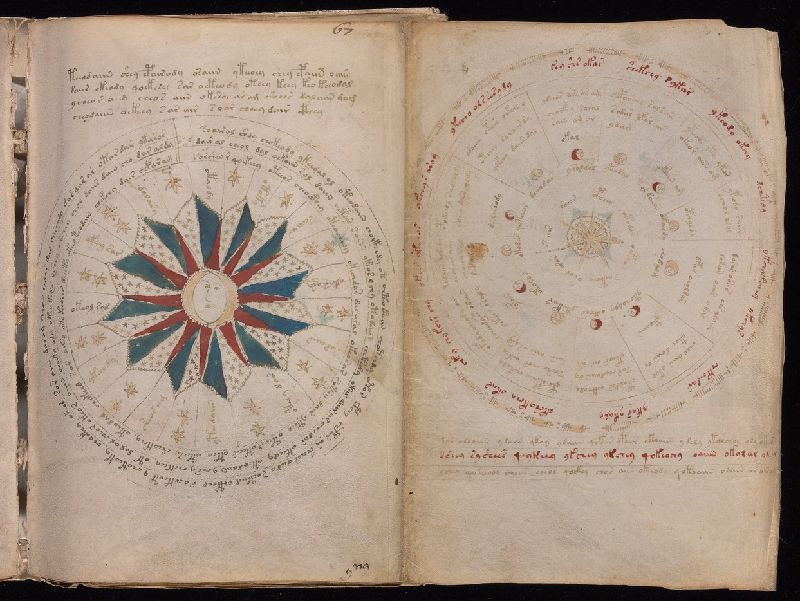
The Celestial Wheels

Circular diagrams packed with stars, symbols and text. Some may depict constellations — but which ones?
Botanical section

Botanical

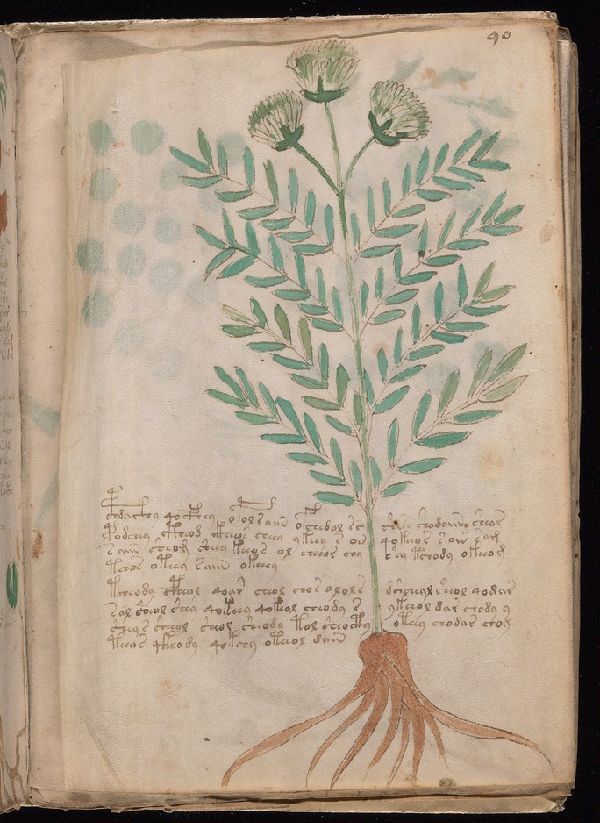
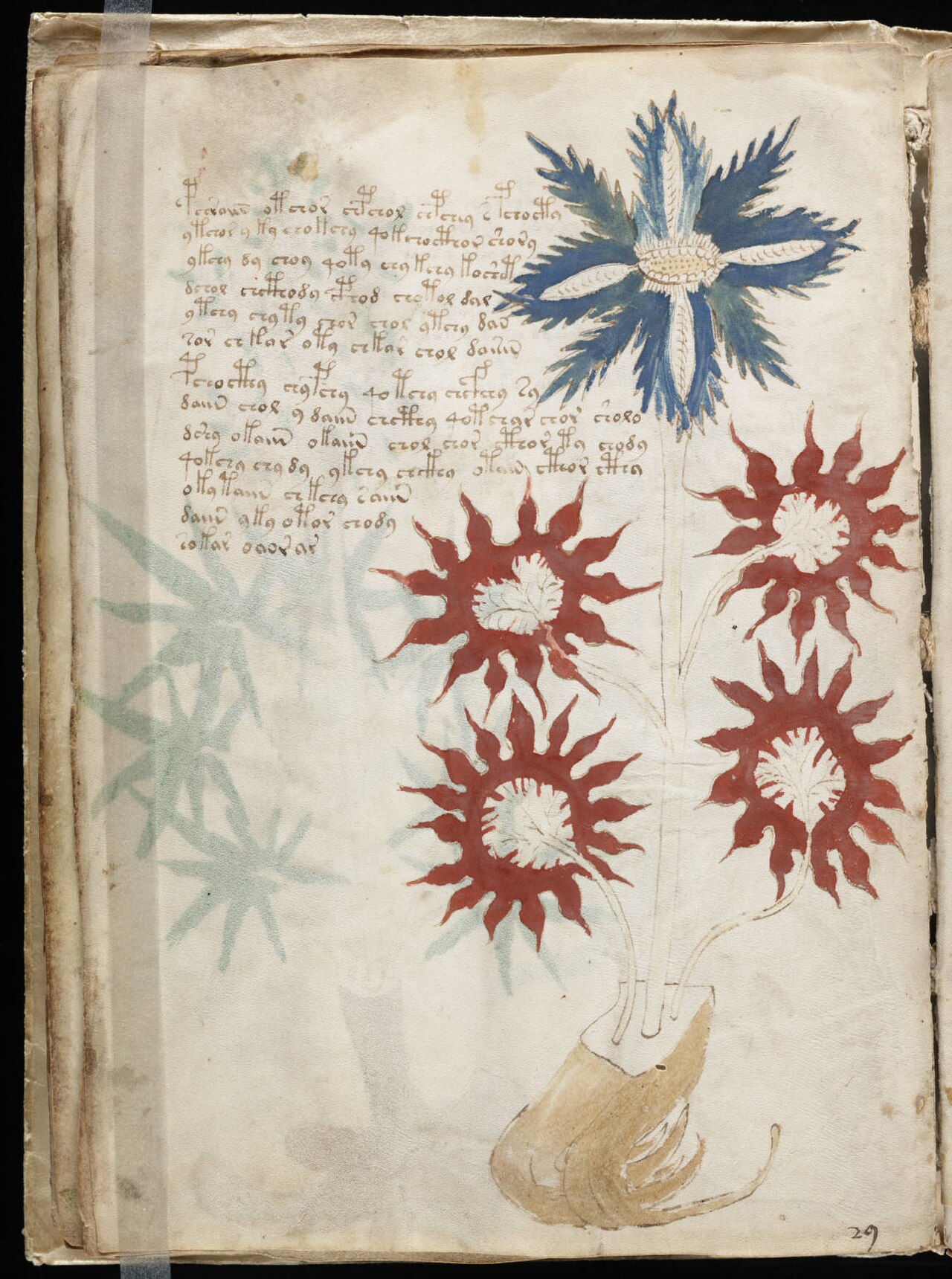
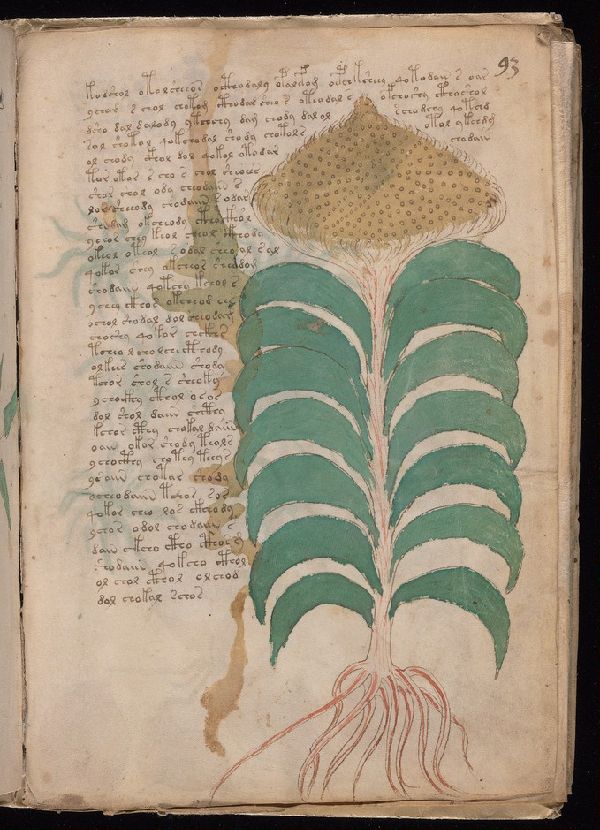
The Unknown Plants

Over 100 plant illustrations — detailed, anatomically structured, yet matching no known species on Earth.
Cosmological section

Cosmological

The Great Map

A large fold-out page with concentric circles, landmasses, and figures. The most structurally complex page in the manuscript.
Zodiac section

Zodiac

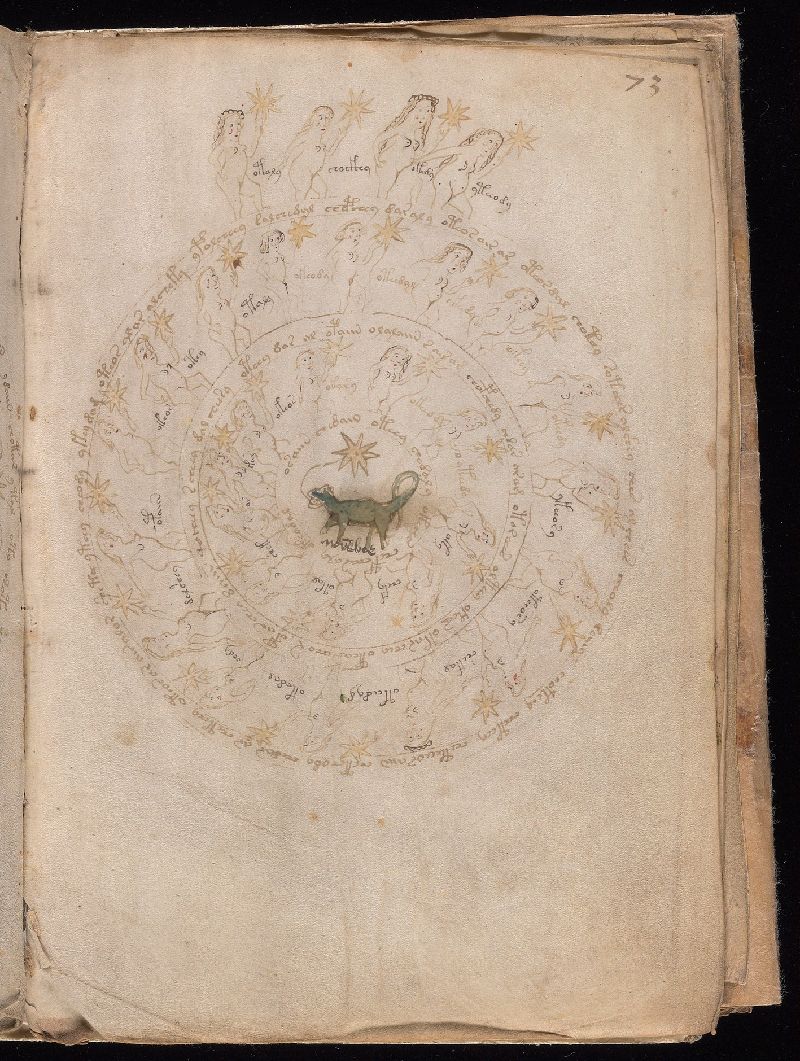
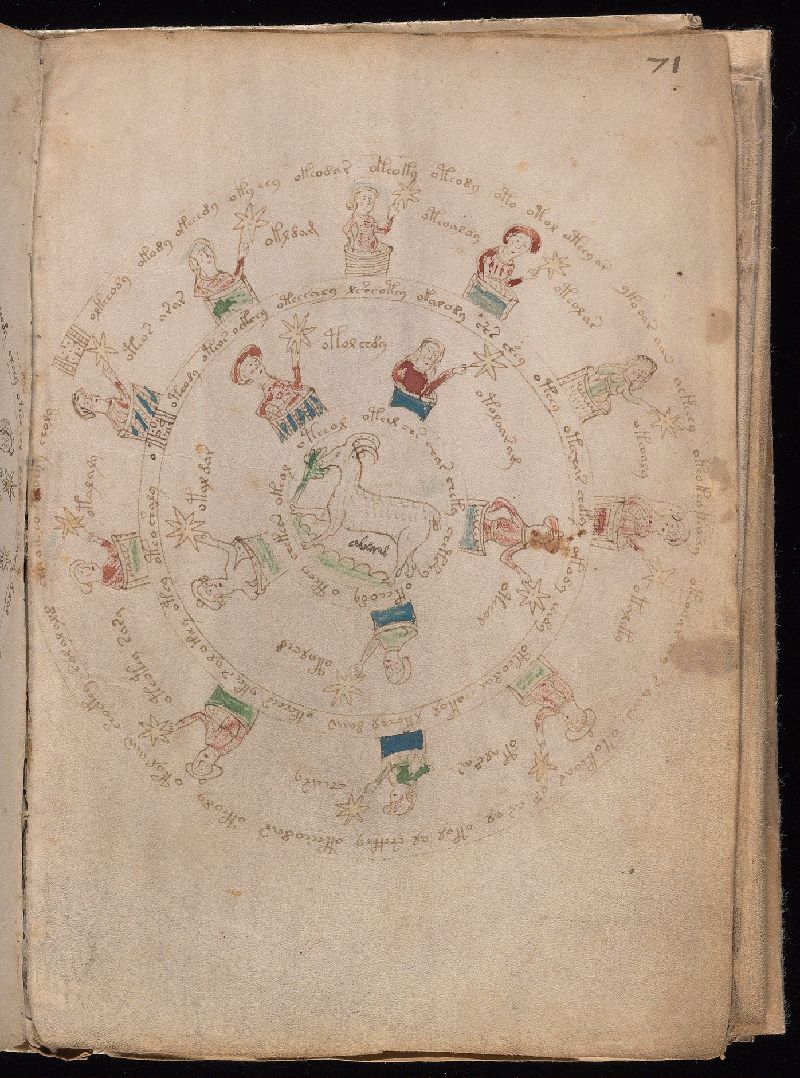
The Star Women

Circular zodiac diagrams with female figures holding stars. The month names — written in a different hand — are the only readable text in the manuscript.
Pharmaceutical section

Pharmaceutical

The Vessels

Rows of containers, jars, and tubes alongside plant parts and text. Possibly a formulary or recipe section — but of what?

What do you think the Voynich is?

Over 600 years of theories. Which do you find most convincing? Vote and see where the community stands.

Anonymous · No login required · Results update in real time

Thank you. Here's where the community currently stands:

Based on votes from this browser session.

Explore

Everything in One Place

From the manuscript's physical history to the most rigorous statistical analysis available — organized, sourced, and self-critical.

A computational perspective
"63 language corpora. 35 language families. Not one simultaneously matches the Voynich structural profile on all three metrics. The discriminant zone remains empty."

This site hosts original typological research by L. — a systematic comparison of the Voynich against known writing systems using BPE morpheme-length analysis. Among the findings: Tagalog is the closest natural-language match on one metric, but fails decisively on two others, and cannot maintain its elevated value across different texts.

The research is one perspective among many. It is reported with full transparency about what it can and cannot conclude.

Read the findings → See what we've ruled out → Download the data →