 01
Material Science
01
Material Science
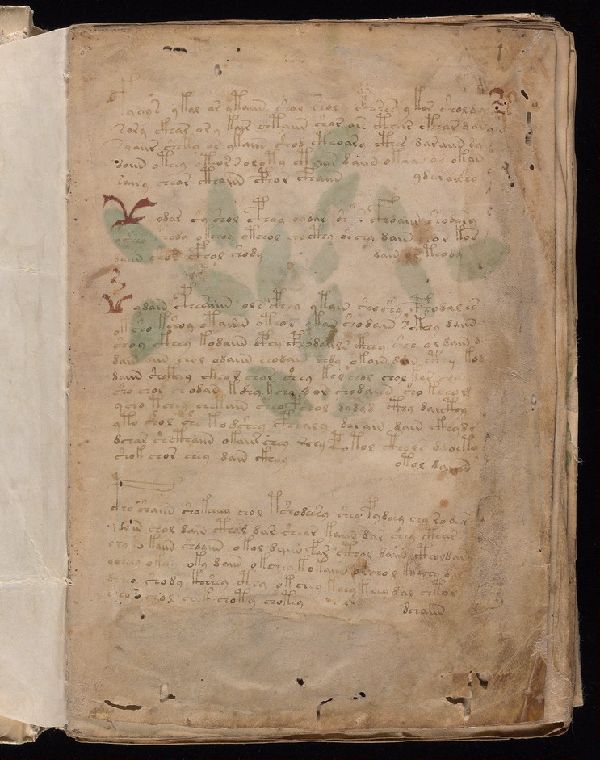
The ink is genuine medieval — confirmed by X-ray fluorescence
X-ray fluorescence (XRF) analysis of the manuscript's ink composition revealed iron-gall and copper-based pigments consistent with 15th-century European production. No modern synthetic compounds were found. The result rules out any 19th- or 20th-century forgery of the writing itself.
Verified by McCrone Associates, 2009. Cited in the Beinecke Library's official carbon dating report.
 02
History & Provenance
02
History & Provenance
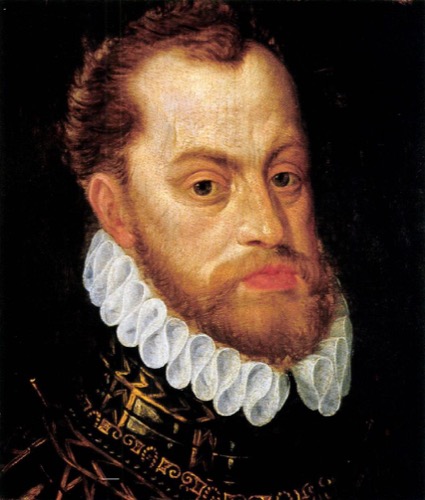
Rudolf II paid 600 gold ducats for it — roughly $150,000 today
Emperor Rudolf II of Bohemia reportedly purchased the manuscript for 600 gold ducats, according to a letter written by Johannes Marcus Marci to Athanasius Kircher in 1665. Rudolf was an obsessive collector of curiosities, automata, and esoteric objects. The price suggests he believed it was the genuine work of Roger Bacon.
Marci's 1665 letter is one of the few solid provenance documents. The Bacon attribution is now considered almost certainly false.
 03
Dating
03
Dating
Carbon dating placed the vellum between 1404 and 1438
Radiocarbon dating performed in 2009 at the University of Arizona established that the parchment was made between approximately 1404 and 1438, with 95% confidence. This makes the manuscript early 15th century — older than many had assumed, and definitively pre-Columbian.
Dating the vellum doesn't date the writing. Scribes occasionally wrote on aged parchment. But recycled vellum this old would be unusual and costly.
 04
Cold War & Cryptography
04
Cold War & Cryptography
NSA cryptanalysts worked on it — and failed
During and after World War II, some of the world's best codebreakers — including analysts at the NSA — attempted to crack the Voynich script. Declassified NSA documents released in 2016 confirm internal studies were conducted, all inconclusive. William Friedman, who broke the Japanese "Purple" cipher, called it "the most mysterious manuscript in the world."
Friedman's personal annotated copy of a Voynich monograph is held at the George C. Marshall Foundation Library.
 05
Decipherment History
05
Decipherment History
It has been "deciphered" over 50 times — none verified
By conservative count, the Voynich Manuscript has been "solved" more than fifty times since the early 20th century. Proposed languages include Hebrew, Arabic, Latin, Nahuatl, Ukrainian, proto-Romance, and invented ciphers. Not one decipherment has produced a coherent, independently translatable text verified by linguists outside the proposer's circle.
A rigorous decipherment would need to produce novel testable translations, not retrofitted readings. None has done so.
 06
Scribal Analysis
06
Scribal Analysis
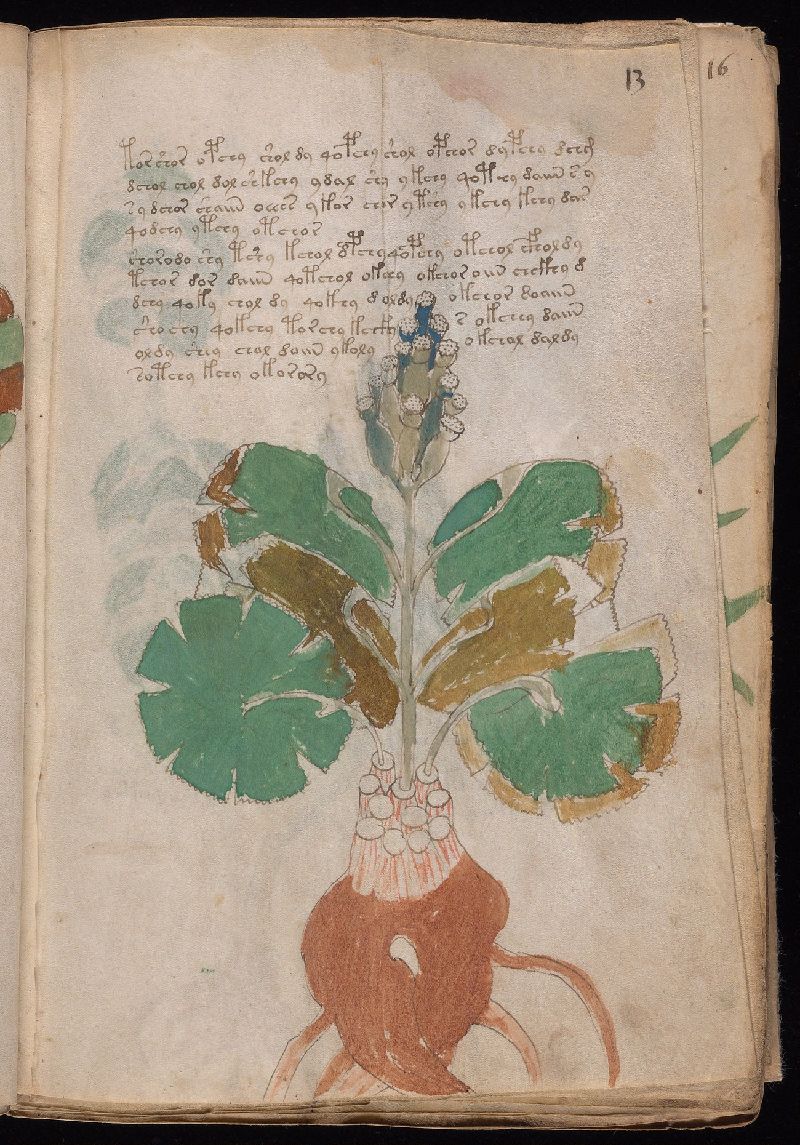
There are no visible corrections or erasures in the text
Unlike virtually every manuscript of similar length, the Voynich text shows almost no crossing-out, overwriting, or erasure. Scholars have proposed three explanations: the scribe copied from a pre-composed text and was extremely skilled; the text was produced using some mechanical or systematic method; or the absence of corrections is itself a signal that the text is not composed the way natural language is.
Some minor corrections do exist but are extremely rare relative to text volume. The absence is statistically anomalous.
 07
Botany
07
Botany
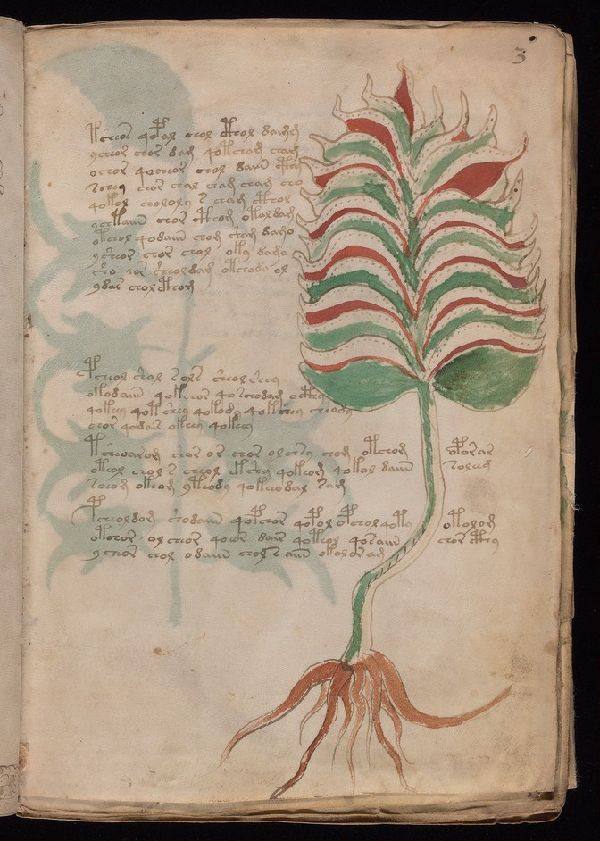
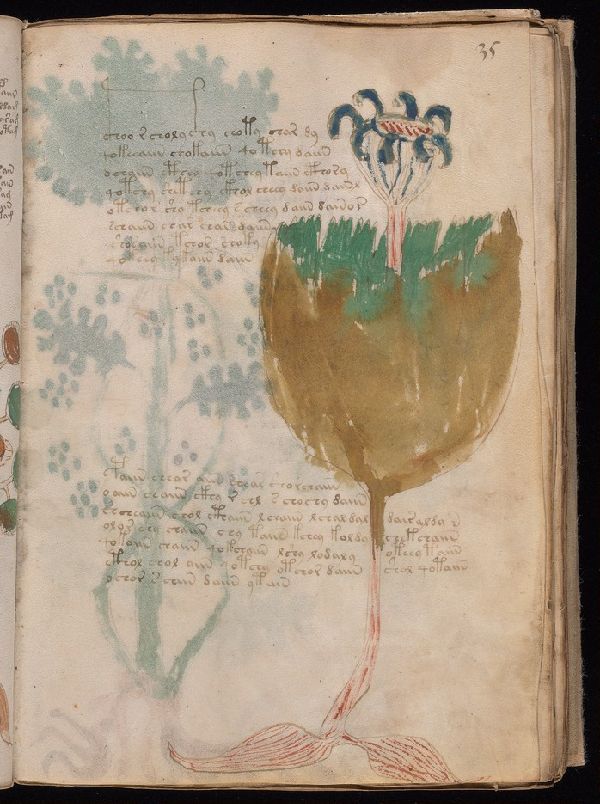
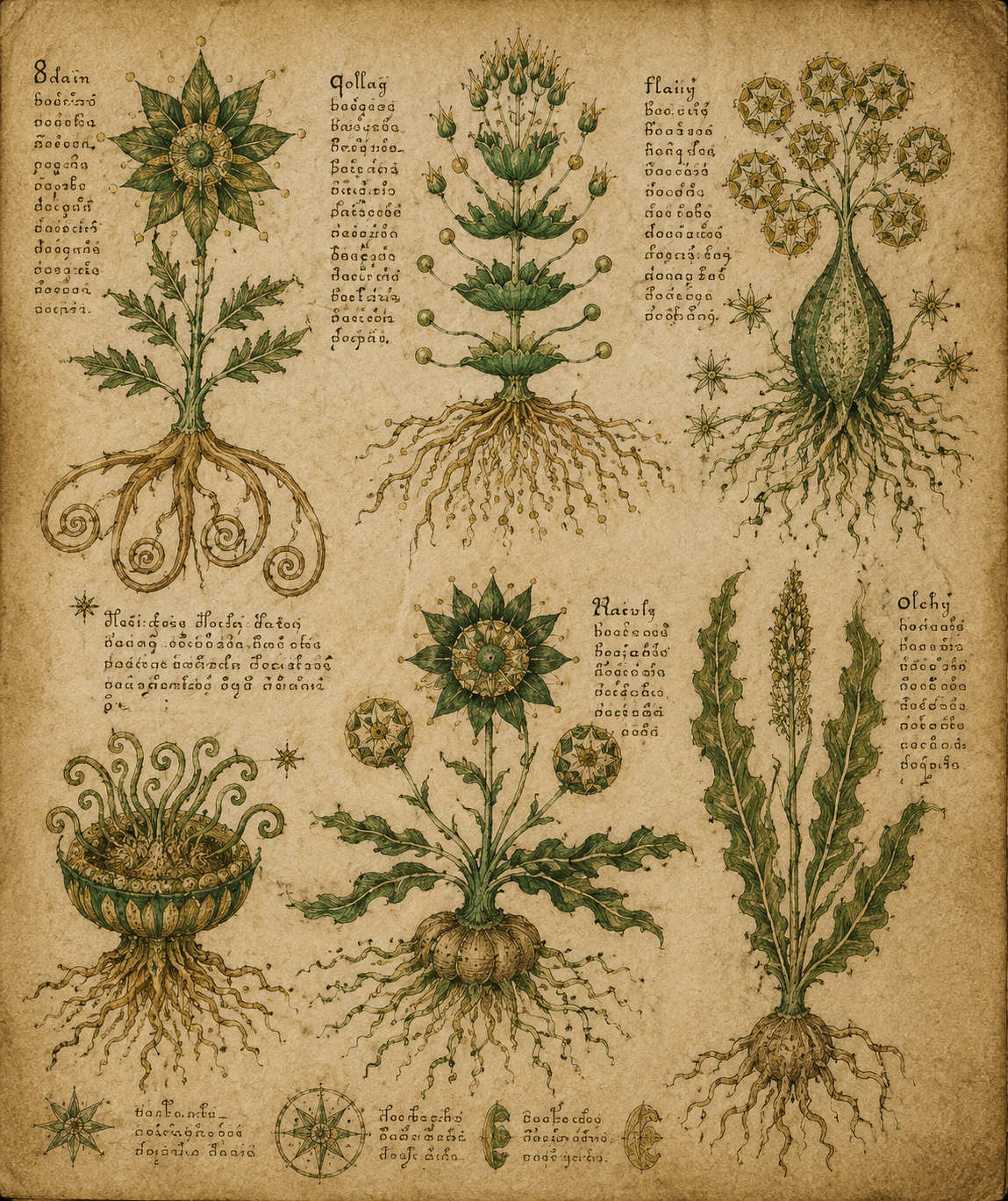
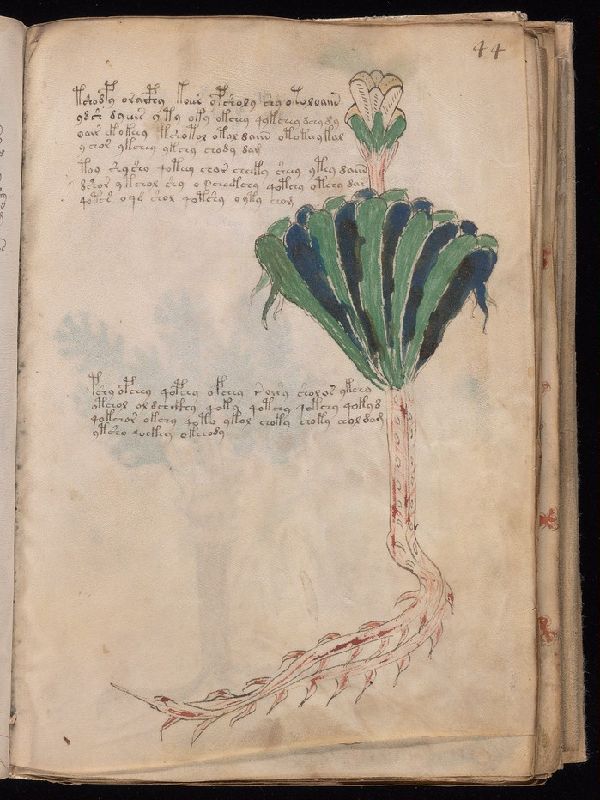
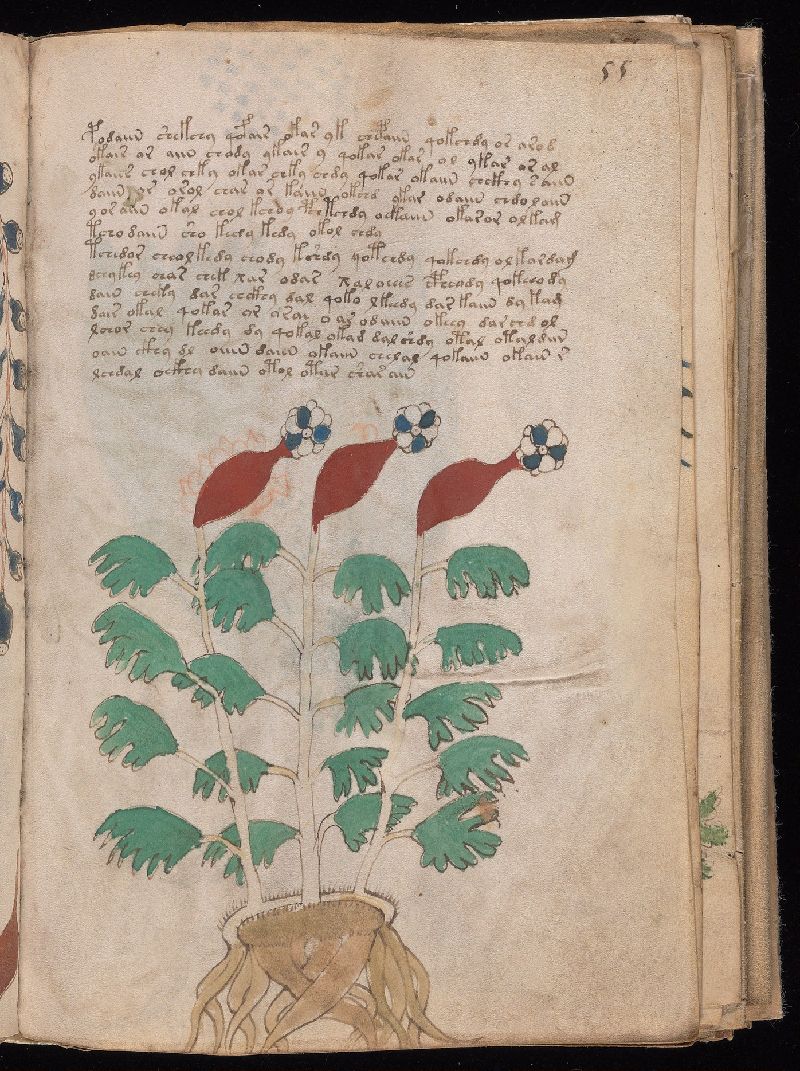
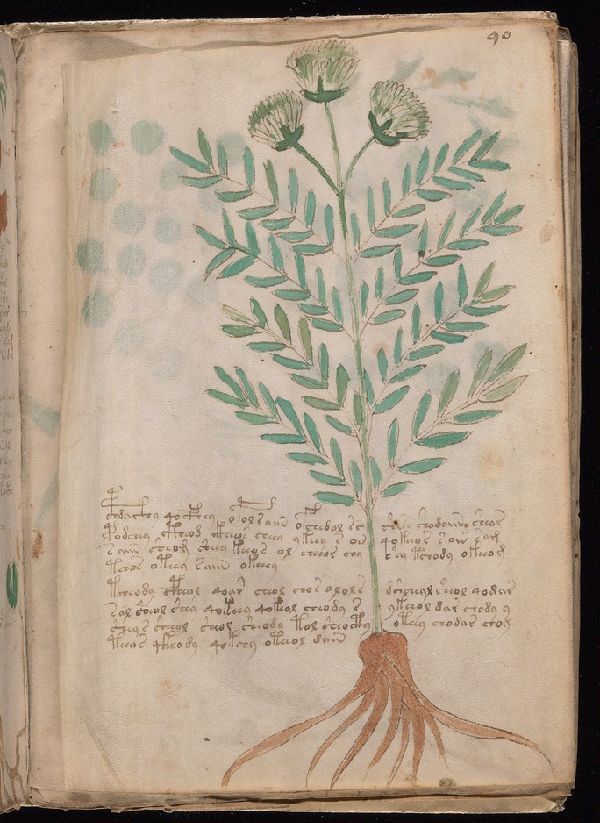
The plants don't match any known species — despite looking almost real
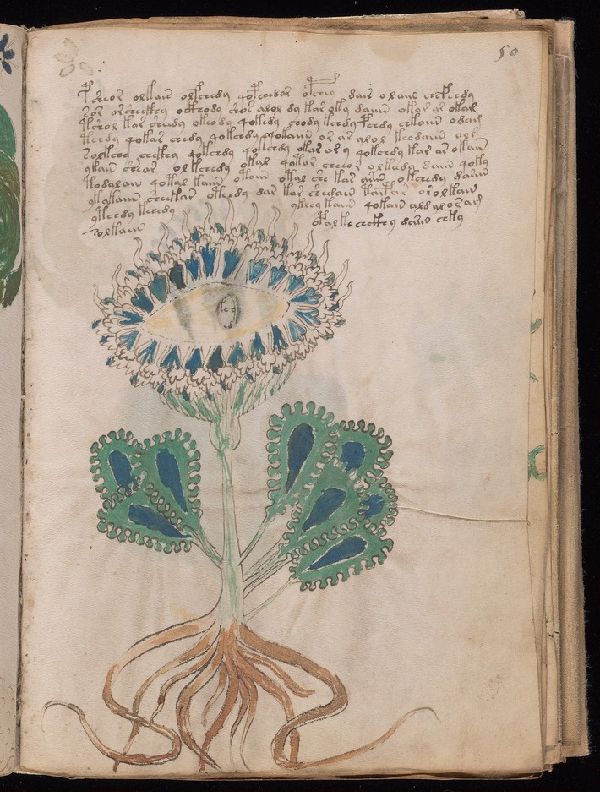
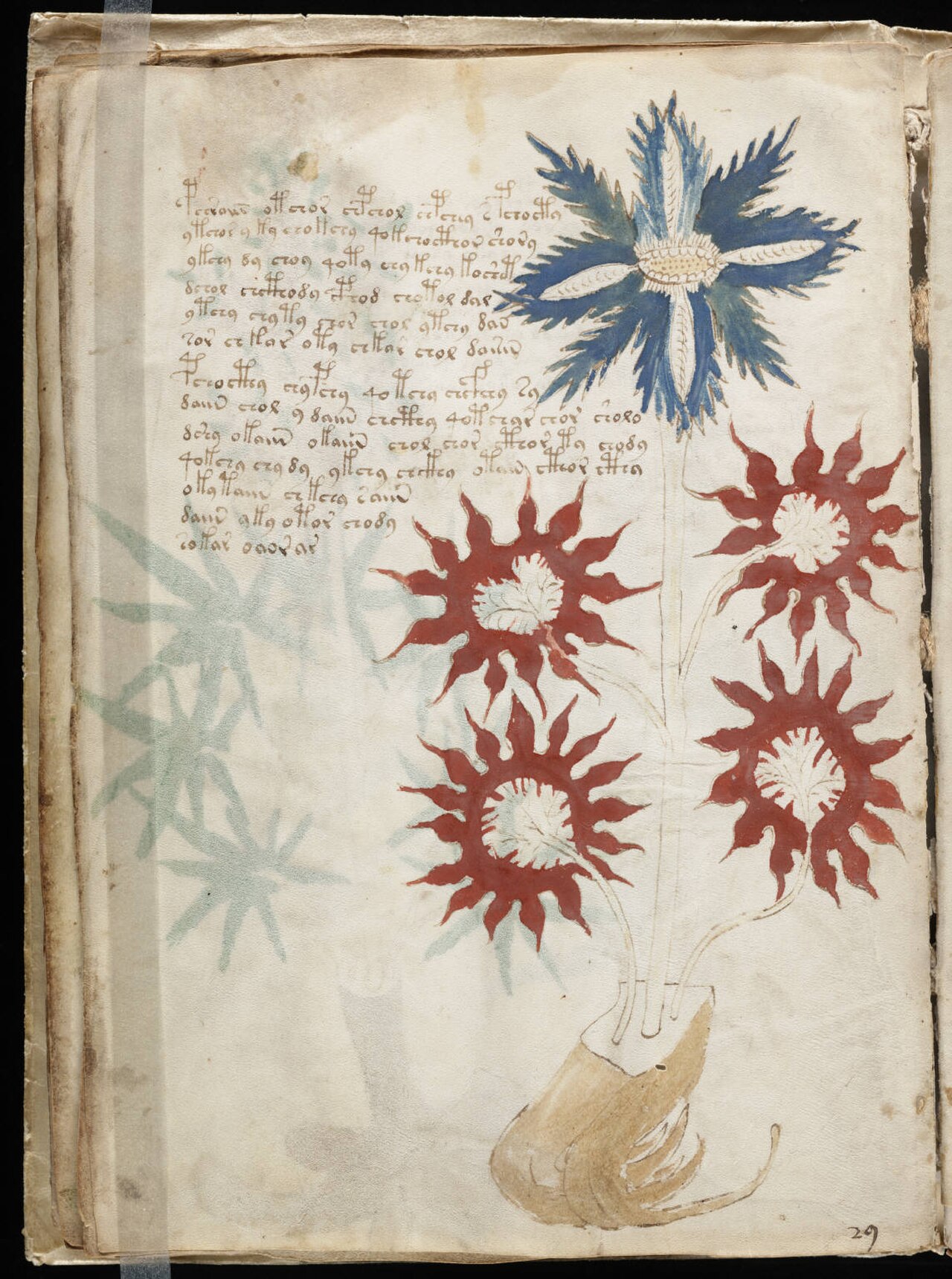
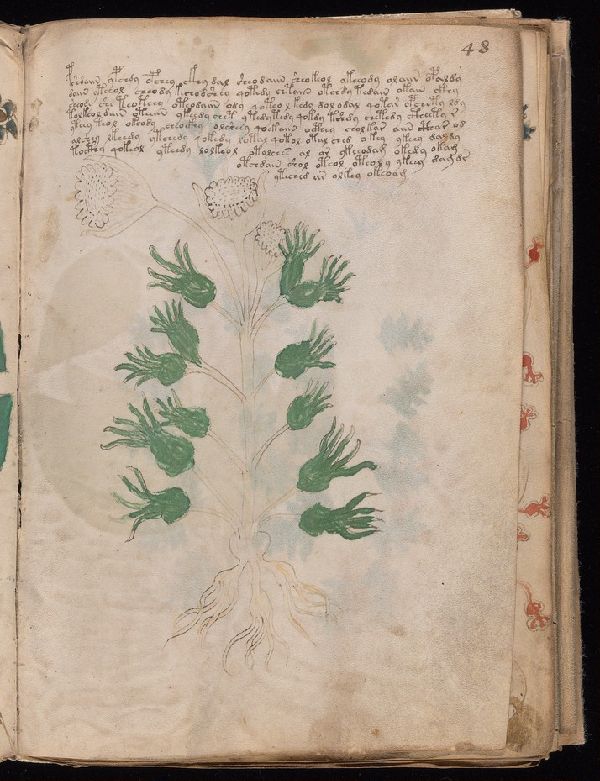
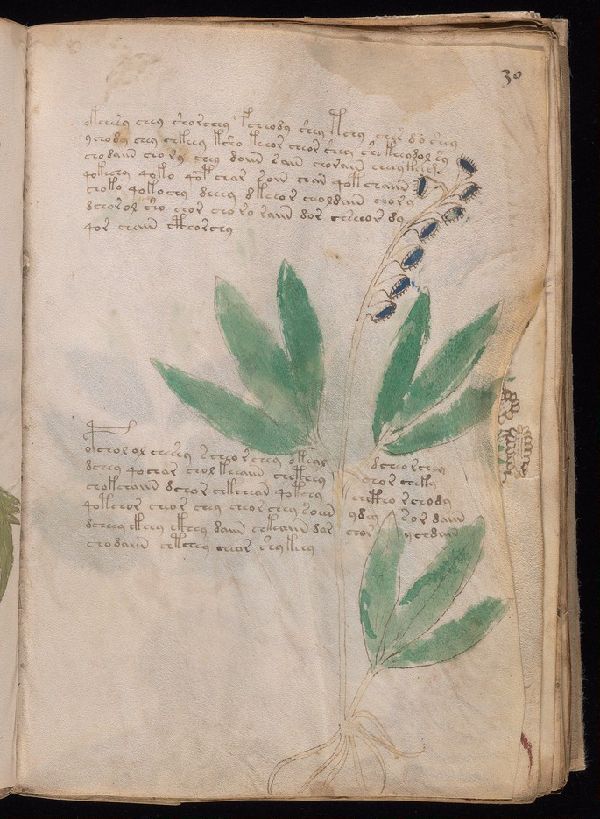
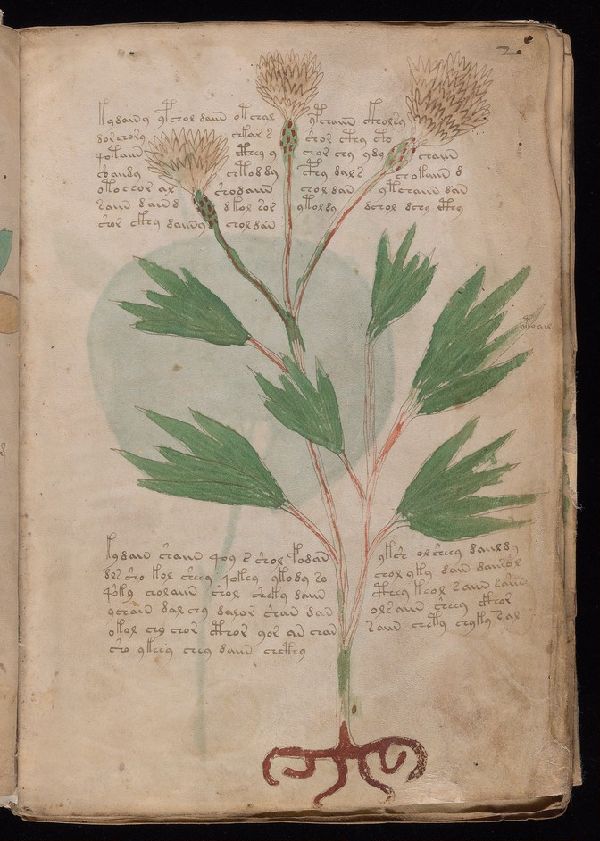
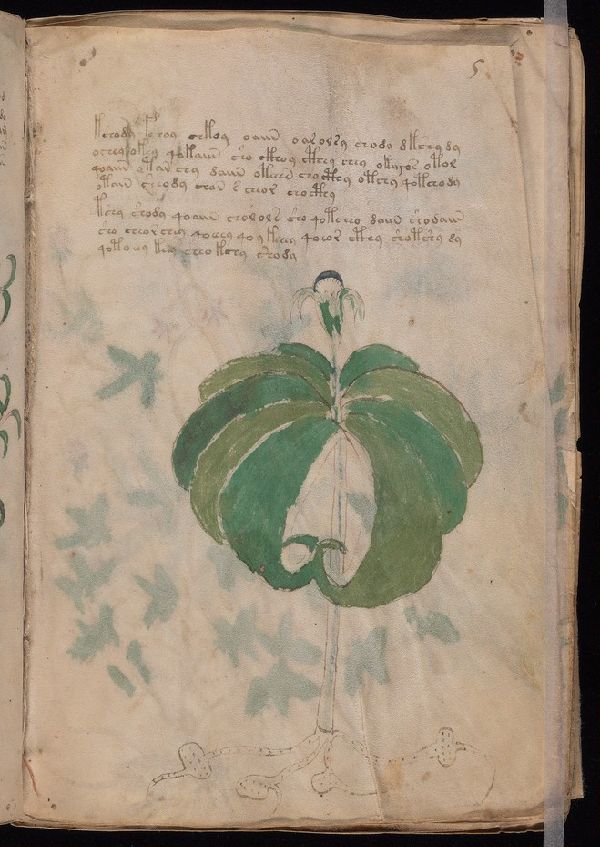
The "herbal" section depicts what appear to be medicinal plants. They have roots, stems, leaves, and flowers that closely resemble real botanical structures — but don't correspond to any identified species. Botanists have proposed they are composites, invented species, or highly stylized versions of real plants. No systematic botanical identification has succeeded across the full herbal section.
A handful of plants have proposed identifications (sunflower, pepper plant) but these remain contested and the majority are unidentified.
 08
Astronomy
08
Astronomy
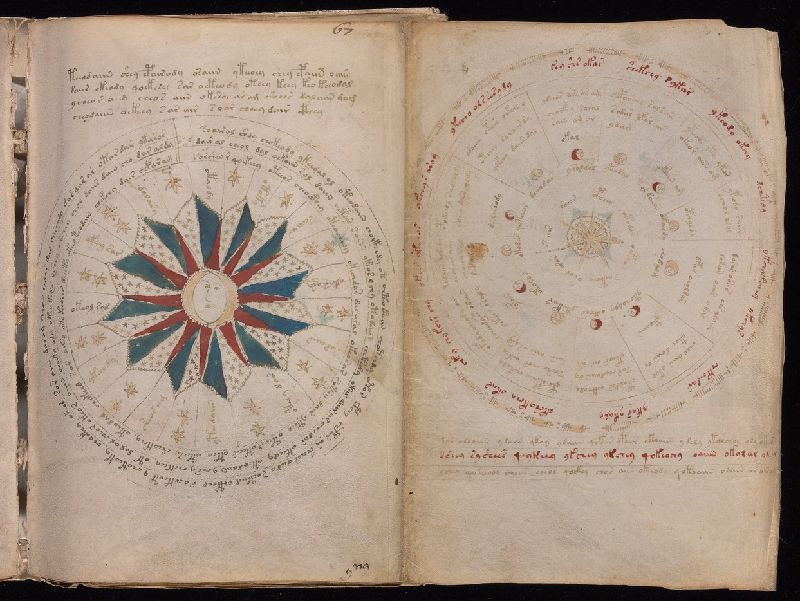
The astronomical section may depict a supernova — possibly SN 1054
One diagram in the astronomical section shows a starburst pattern that some researchers have proposed could represent the Crab Nebula supernova (SN 1054), which was visible from Earth and recorded by Chinese astronomers. The identification is intriguing but unverified — the manuscript's date range makes it temporally plausible only if the illustration was copied from an older source.
This remains speculative. The manuscript's vellum dates to 1404–1438, too late to record the 1054 event directly.
 09
Cultural Reach
09
Cultural Reach
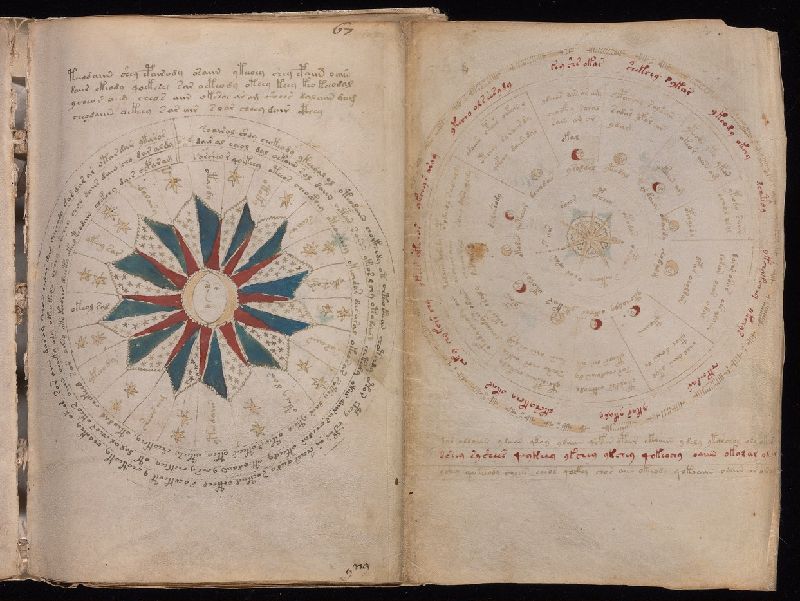
The manuscript has a Wikipedia article in over 40 languages
The Voynich Manuscript has dedicated Wikipedia entries in more than 40 languages, including Esperanto, Basque, and Swahili. It is one of the most internationally documented mysteries in the history of written artefacts. The English article alone runs to over 15,000 words and has been cited in academic publications.
This breadth of documentation is unusual for a single manuscript and reflects its unique status as a genuinely unsolved puzzle with broad public appeal.
 10
Human Interest
10
Human Interest
Wilfrid Voynich's wife wrote one of the Victorian era's bestselling novels
Ethel Lilian Voynich — wife of Wilfrid Voynich, who bought the manuscript in 1912 — was the author of The Gadfly (1897), a political adventure novel that became a massive bestseller, especially in Russia and China, where it sold tens of millions of copies in the 20th century. The couple's lives were themselves stranger than most fiction.
The Gadfly remained one of the most-read novels in China from the 1950s through the 1980s — a remarkable fate for a Victorian Irish-American author.
 11
Open Access
11
Open Access
The Beinecke Library has digitized every page at full resolution — freely available
Yale University's Beinecke Rare Book and Manuscript Library digitized the complete manuscript in high resolution and made all images freely available online. Every folio, every detail, every stain and fold is publicly accessible. This has democratized research and enabled computational analysis that would have been impossible with physical access alone.
The digitization was completed in 2004. Images are available at the Beinecke Digital Collections without any login or fee.
Explore at Yale →
 12
Survival
12
Survival
It survived the suppression of the Jesuits, two world wars, and the digitization era — still unread
The manuscript passed through the Jesuit College at Mondragone, was hidden during the 18th-century suppression of the Society of Jesus, survived both world wars while stored in European collections, was sold privately in 1912, donated to Yale in 1969, and digitized in 2004. Through all of it, not a single line has been translated. It has outlasted every attempt to understand it.
Voynich purchased it from Villa Mondragone in Frascati, Italy. The donation to Yale was made by Hans P. Kraus, who had failed to sell it.
 13
Transcription Systems
13
Transcription Systems
"EVA" stands for European Voynich Alphabet — and it made modern research possible
Before 1998, every Voynich researcher used a different notation for the manuscript's unknown characters. Comparing results across teams was nearly impossible. Gabriel Landini and René Zandbergen created EVA — the European Voynich Alphabet — as a standardized ASCII-compatible transcription system that could be processed by computers and shared across institutions.
EVA assigns a short alphabetic code to each Voynich glyph, enabling researchers worldwide to work on the same dataset. Without it, computational studies like entropy analysis, Zipf distributions, and BPE clustering would have been far harder to coordinate.
Landini, G., & Zandbergen, R. (1998). EVA transcription standard. Available at
voynich.nu. Still the dominant system for computational Voynich research.
 14
Statistical Linguistics
14
Statistical Linguistics
The text follows Zipf's Law — the statistical hallmark of all natural languages
Zipf's Law states that in any natural language, the most common word appears roughly twice as often as the second most common, three times as often as the third, and so on — producing a characteristic power-law distribution. A 2014 analysis confirmed that Voynichese obeys this law with high fidelity.
This finding is significant because pure random text does not follow Zipf's Law. It rules out gibberish or purely stochastic generation and is one of the strongest statistical arguments that the manuscript encodes something structured — whether a language, a cipher, or a highly systematic invented system.
The Zipf compliance of Voynichese has been replicated by multiple independent teams since Stolfi's early analysis. It is one of the most robust findings in the field.
 15
History & Provenance
15
History & Provenance
The Library of Congress rejected it — Yale said yes
Hans Peter Kraus, the rare book dealer who bought the manuscript from Anne Nill (Voynich's secretary) for $24,500 in 1961, spent years trying to sell it for $160,000. When he failed to find a buyer, he tried to donate it to the Library of Congress. They declined — citing lack of budget to acquire it properly and insufficient expertise to study it.
Yale University's Beinecke Rare Book and Manuscript Library accepted the donation in 1969. It has been there ever since, catalogued as MS 408. The Library of Congress's refusal is now one of the more quietly famous decisions in the history of American rare books.
Kraus's asking price of $160,000 in 1961 would be approximately $1.7 million today. No private buyer materialized at any price.
 16
Hoax Hypothesis
16
Hoax Hypothesis
A 2003 experiment showed a medieval grid device could fake the statistics — but didn't prove a hoax
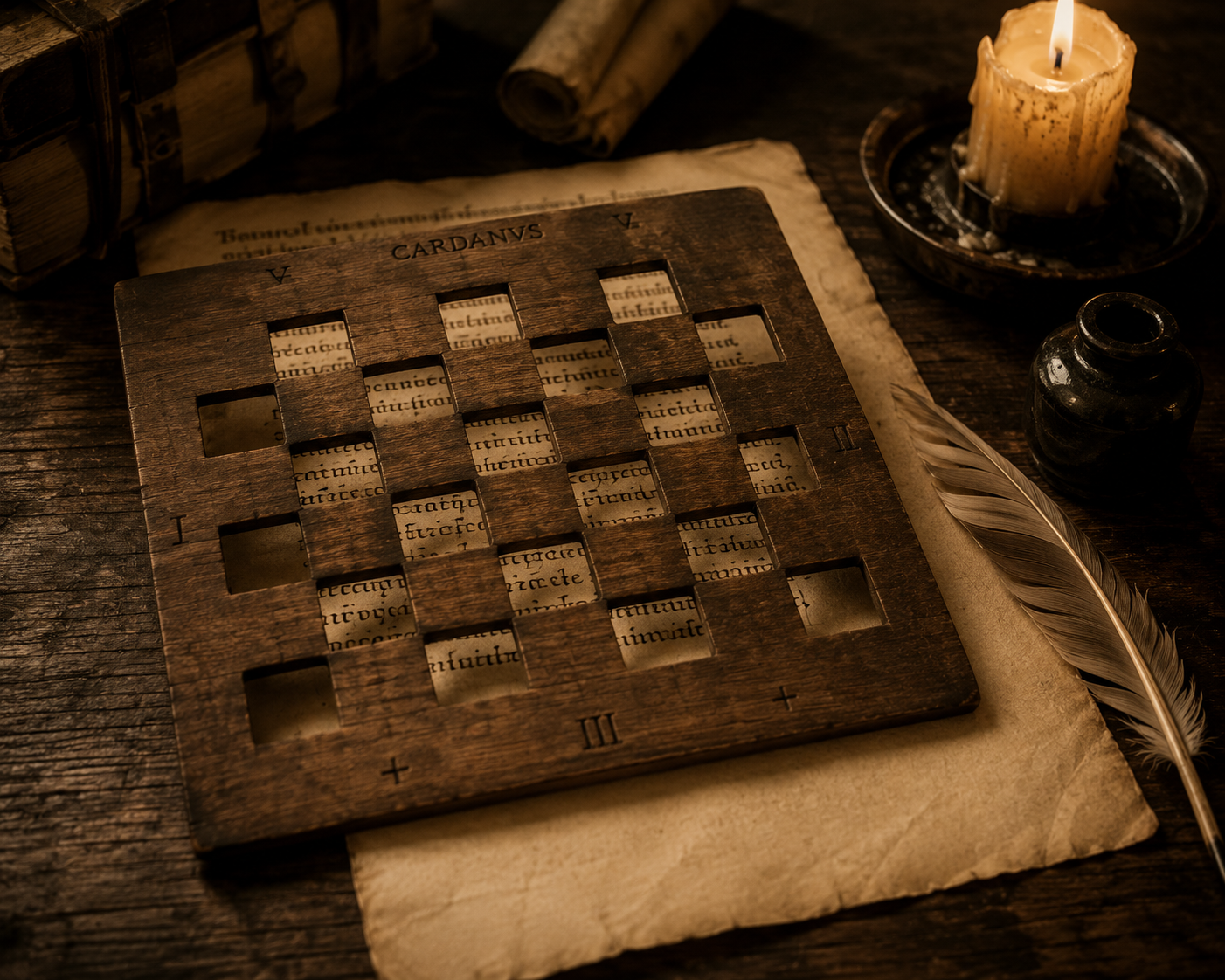
Gordon Rugg, a cognitive scientist at Keele University, demonstrated in 2003 that a Cardan grille — a card with cut-out holes slid over a grid of syllables — could generate text with statistical properties resembling Voynich's. The experiment reignited the hoax debate and received wide press coverage.
However, Rugg's demonstration only showed that such a device could produce superficially similar text — not that it did, or that the full statistical profile of the manuscript can be replicated this way. Subsequent computational tests found the match incomplete.
Rugg, G. (2004). An Elegant Hoax? Scientific American, 291(1), 104–109. The hoax hypothesis remains unproven — and unrefuted.
 17
Cultural Reach
17
Cultural Reach
It has inspired novels, films, and video games — but its most famous "connection" is a denial
The Voynich Manuscript has inspired at least three published novels, two feature films, a graphic novel series, and multiple video game puzzles. Writers and filmmakers are drawn to its combination of visual strangeness and complete opacity — a mystery with no solution to spoil.
The most cited fictional connection is Umberto Eco's The Name of the Rose (1980), which features an encrypted medieval manuscript. Eco, however, explicitly denied the Voynich was his inspiration — he cited other sources. The association persists anyway, which is itself something of a Voynich phenomenon.
Eco's denial is documented in interviews. The manuscript is frequently misattributed as a direct source for the novel. The actual Voynich-as-inspiration remains unverified for any major literary work.
18
Computational Linguistics
Words cluster by topic across sections — exactly as they would in a real text
Marcelo Montemurro and Damián Zanette (2013) applied information-theoretic analysis to the Voynich text and found that high-entropy "keyword" words — the kind that carry topical meaning in natural language — are distributed across sections in ways consistent with semantic organisation. The herbal section has different keywords from the astronomical section.
This pattern is extremely difficult to produce by chance or by simple mechanical text generation. It implies that whatever the manuscript encodes, it is organized around content, not just form. This is one of the most technically rigorous results in Voynich research.
Montemurro, M. A., & Zanette, D. H. (2013). PLOS ONE, 8(6), e66344. DOI: 10.1371/journal.pone.0066344
 19
Iconography
19
Iconography
The bathing women section is the most studied — and the least understood
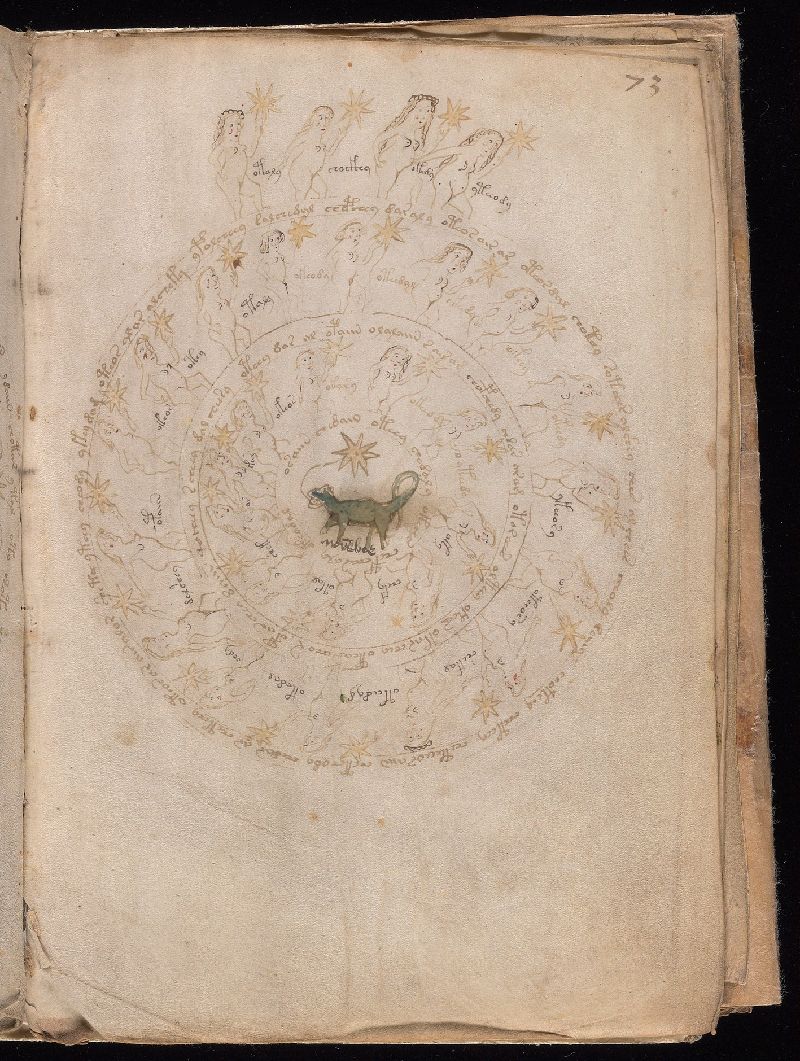
The "Biological" section of the manuscript — sometimes called the balneological section — depicts dozens of nude female figures bathing in interconnected pools and tubes rendered in green ink. It is the most photographed and most cited section in popular coverage of the manuscript, and the most resistant to interpretation.
Leading hypotheses include medical illustrations of circulatory or reproductive systems, alchemical diagrams representing transformation processes, a medieval spa or therapeutic bathing manual, and purely symbolic cosmological imagery. No hypothesis has been adopted by more than a small number of researchers.
The bathing section occupies folios 75r–84v. The green pigment used for the pools has been confirmed as consistent with 15th-century copper-based colorants.
 20
Decipherment History
20
Decipherment History
A linguist claimed to read 14 words in 2014 — by matching illustrations to labeled medieval manuscripts
Stephen Bax, a professor of applied linguistics at the University of Bedfordshire, published a working paper in 2014 proposing the identification of 14 specific words in the Voynich text. His method was comparative iconography: finding illustrations in the manuscript that closely resembled labeled images in other medieval manuscripts (stars, plants, constellations) and then reading the Voynich labels against the known names.
Among his proposed identifications was the word for Taurus, matched to the constellation diagram. The method is legitimate in principle — it is how Linear B was partially cracked — but requires that the labels actually name the illustrated objects, which is an assumption for Voynich.
Bax, S. (2014). A proposed partial decipherment of the Voynich script. University of Bedfordshire. Bax died in 2017; his work is archived at
stephenbax.net.
 21
Network Analysis
21
Network Analysis
The manuscript's rarest tokens form hidden bridges across distant pages
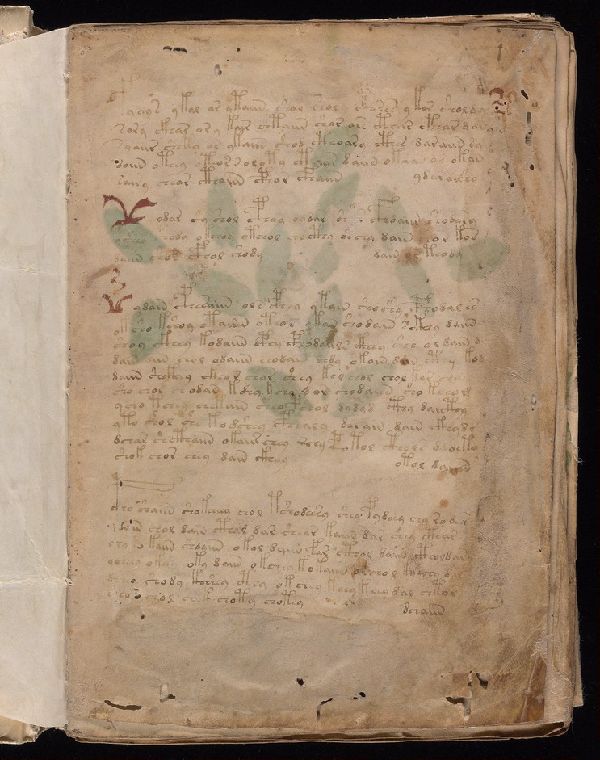
The manuscript contains ~8,500 distinct tokens (words) — sequences of glyphs separated by spaces. Most appear only once. But a middle layer of ~2,000 tokens appearing just 2–6 times behaves strangely: they act as bridges. A single text-only folio, f86v, shares these rare tokens with the herbal, astronomical, biological, and cosmological sections simultaneously. Statistical null models controlling for dialect (Currier A/B) and scribal hand don't explain the structure away (z = −36 vs. global shuffle; z = −6.6 within-hand). Something organized these rare tokens into a hidden network across the book.
Analysis: quimqu (voynich.ninja, June 2026) · BC metric: petronio (voynich.ninja, June 2026)
 22
Computational Linguistics
22
Computational Linguistics
No known language family sits where the manuscript does — including 250 Aboriginal Australian languages
Byte-pair encoding (BPE) — the same algorithm used to train large language models — measures how a writing system packs meaning into sub-word units. Tested across 71 corpora spanning Latin, Greek, Gothic, Old Church Slavonic, and 11 Australian Aboriginal languages (Pitjantjatjara, Warlpiri, Arrernte, and others from the Pama-Nyungan family), the Voynich Manuscript lands in a structural gap that no tested language occupies. Medieval European languages fall consistently below it. Pama-Nyungan languages — the world's largest agglutinative language family, with 250+ members — cluster above it, scoring 20–40% higher on the morpheme-length metric. The manuscript is not "like" a known medieval cipher and not "like" a strongly agglutinative language. It sits between clusters, in a zone of its own.
L. (2026, unpublished) · 71 corpora · BPE mm=200 · Sources: UD treebanks (Gothic, OCS, Old Russian, Greek); BibleNLP/eBible (Australian languages)
 f.2r · Herbal
 f.5r · Herbal
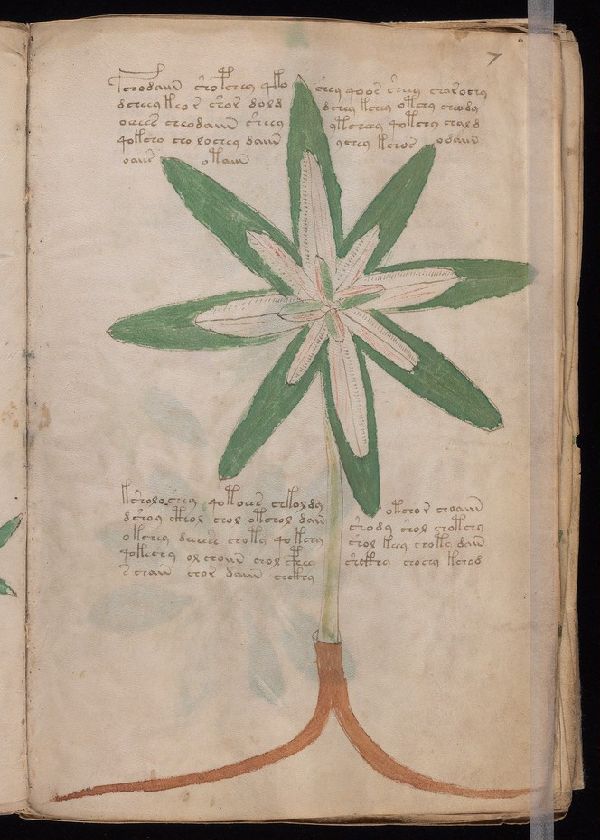 f.7r · Herbal
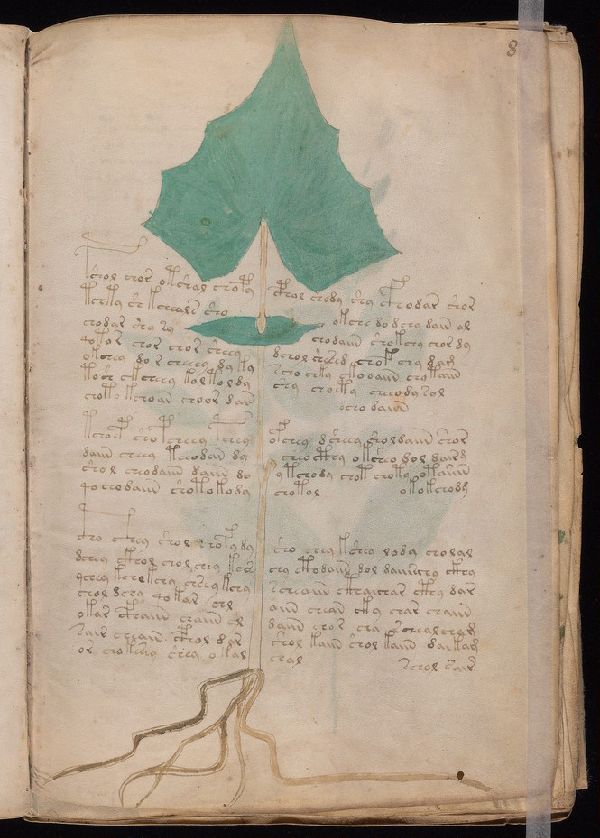 f.8r · Herbal
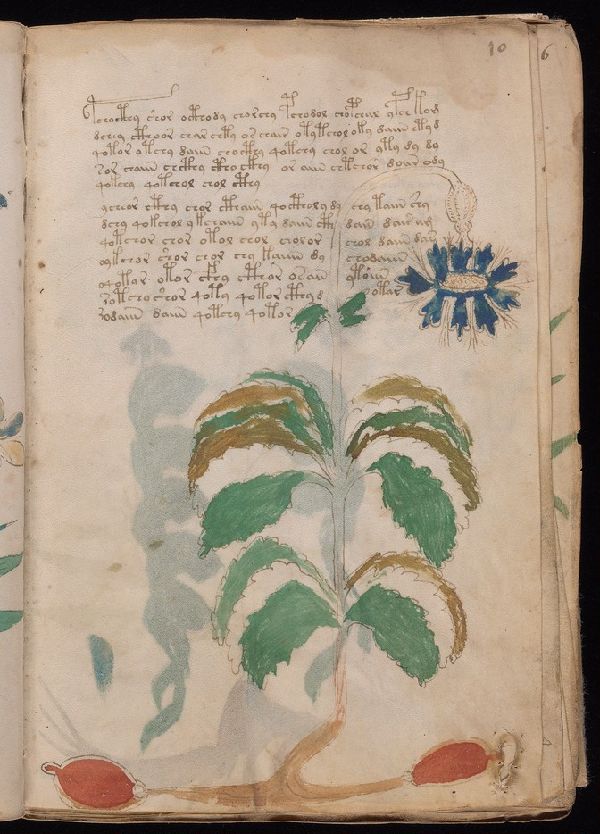 f.10r · Herbal
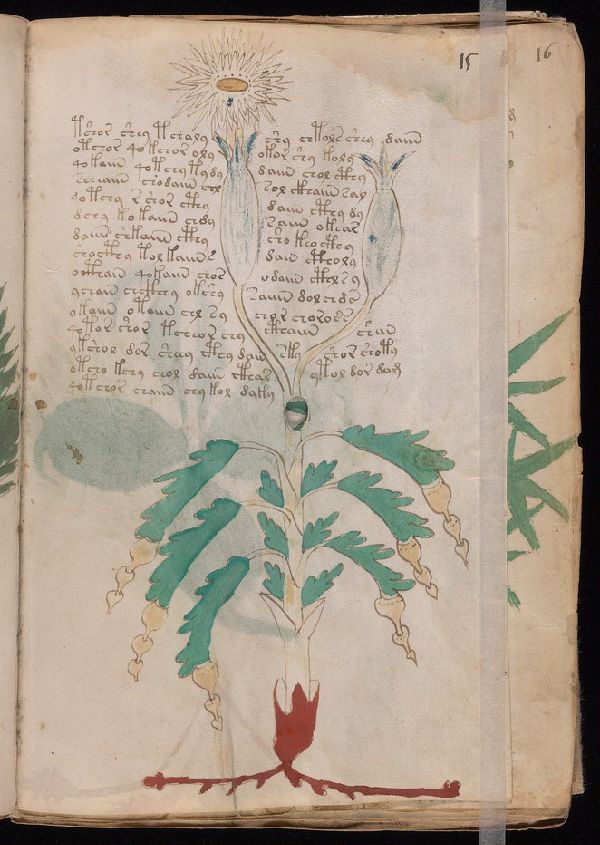 f.15r · Herbal
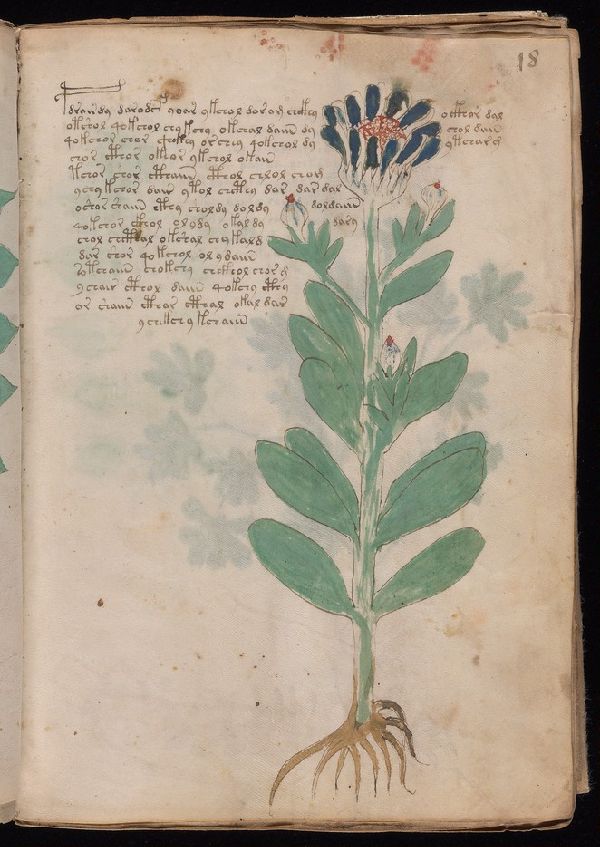 f.18r · Herbal
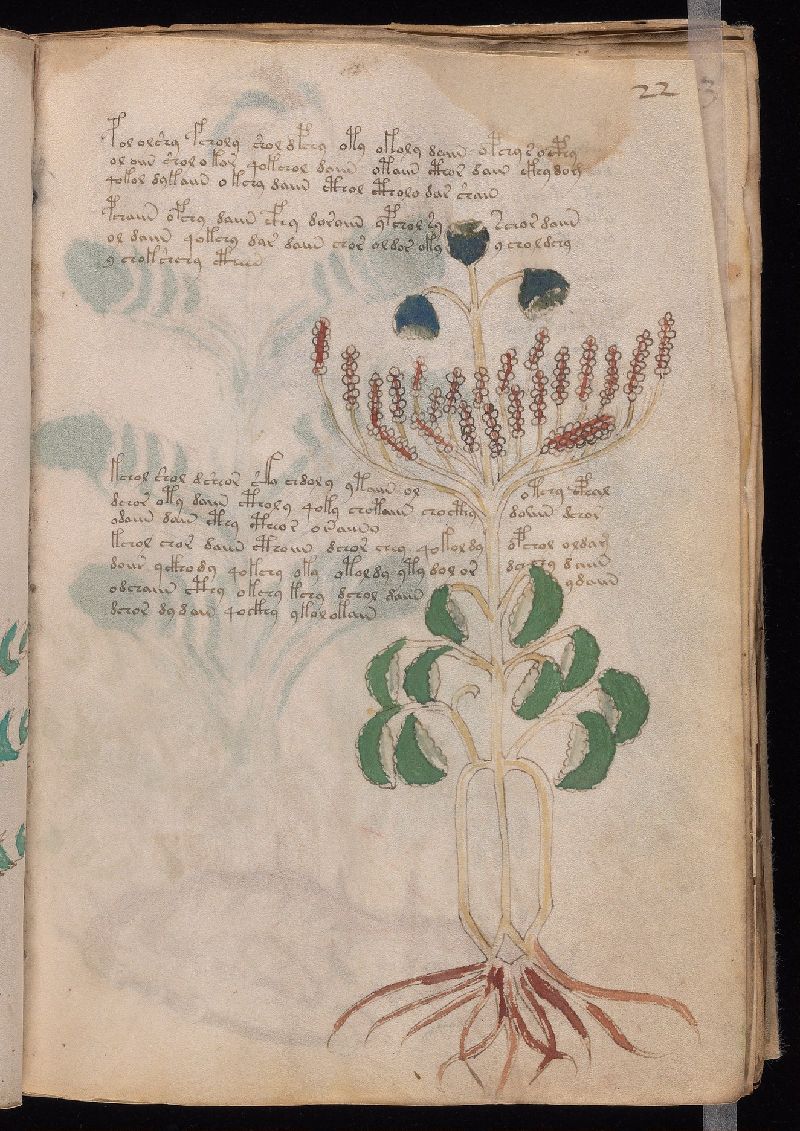 f.22r · Herbal
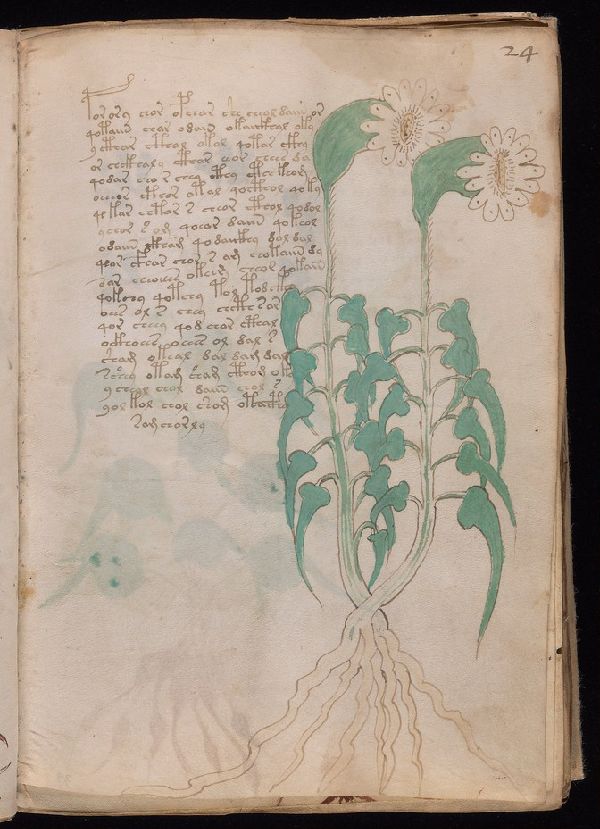 f.24r · Herbal
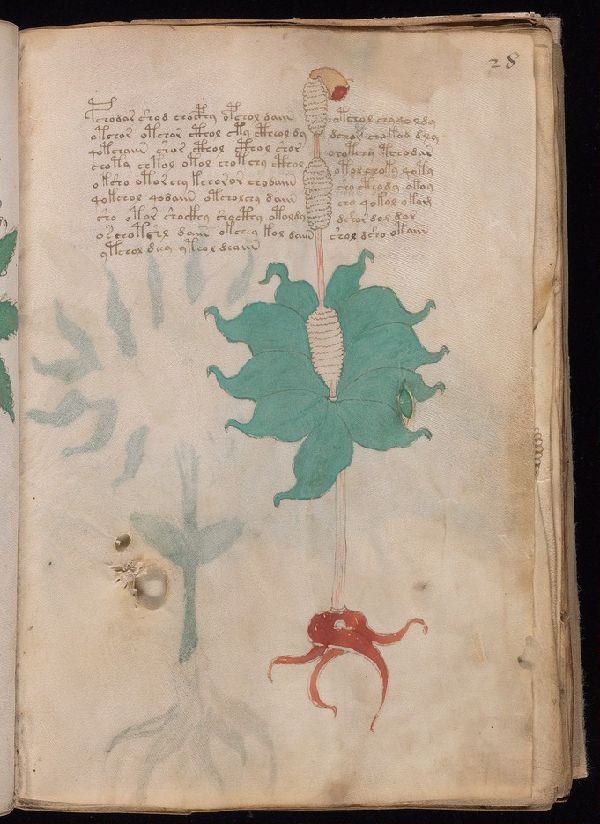 f.28r · Herbal
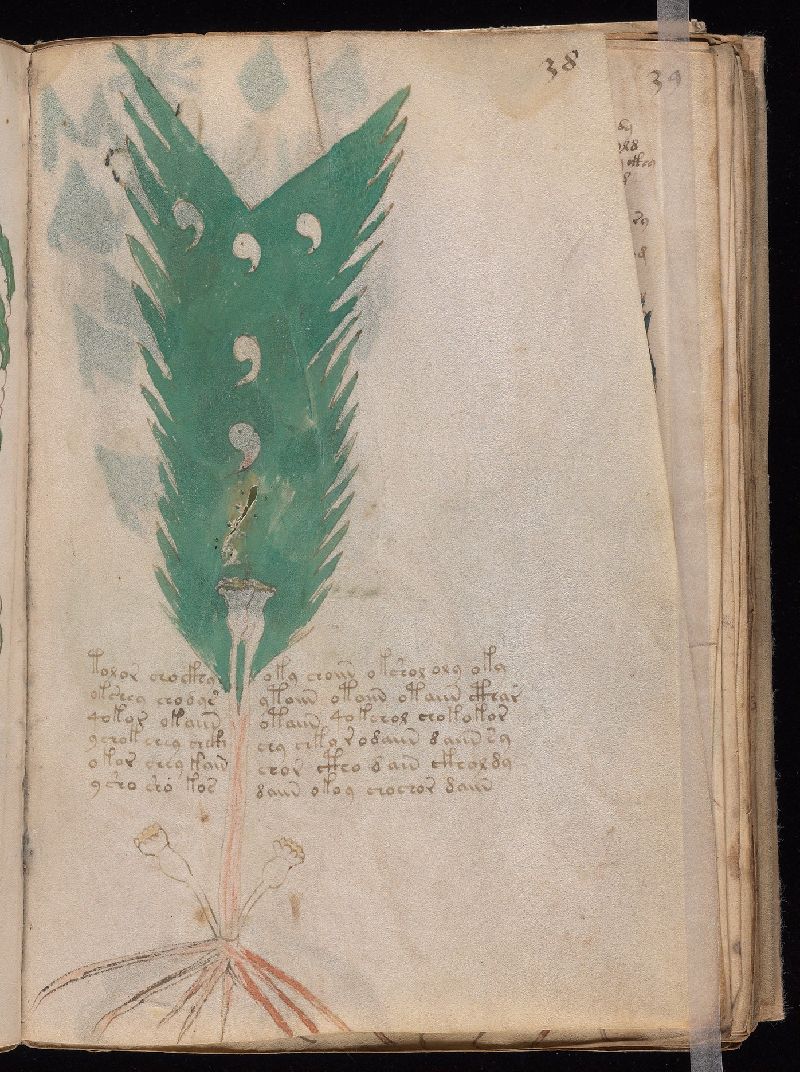 f.38r · Herbal
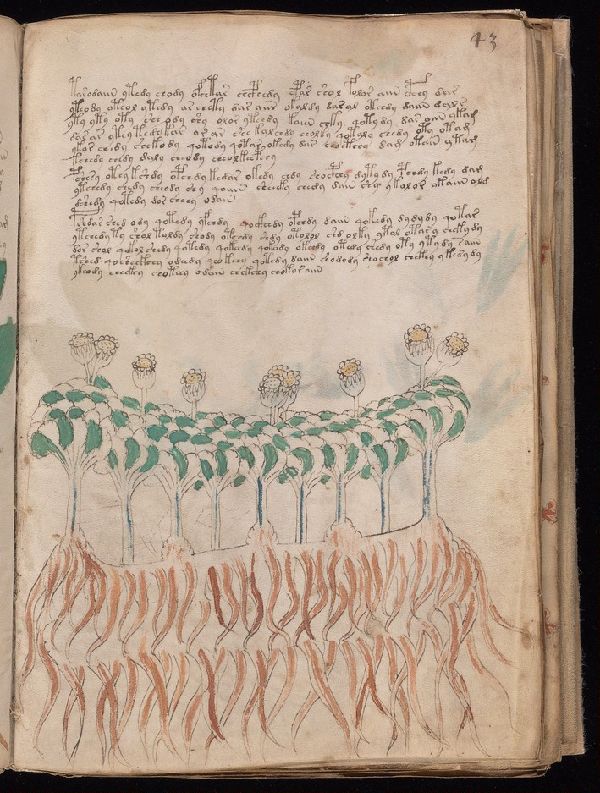 f.43r · Herbal
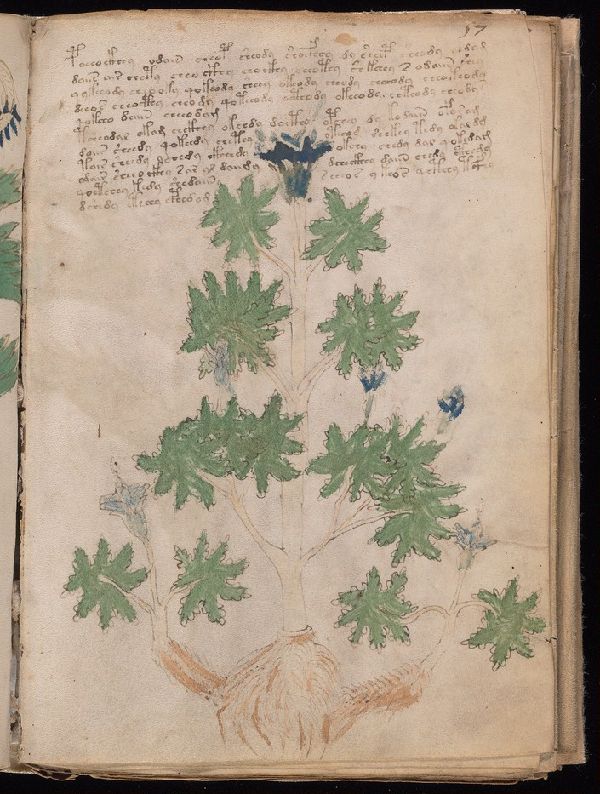 f.57r · Herbal
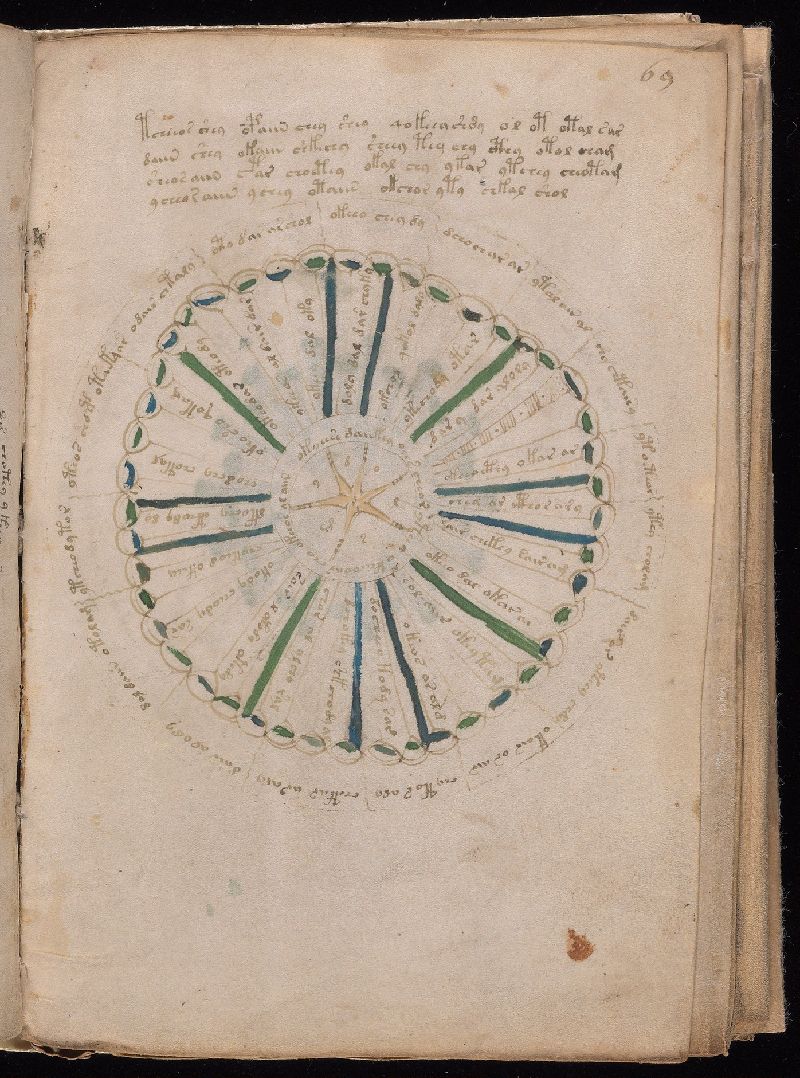 f.69r · Astro
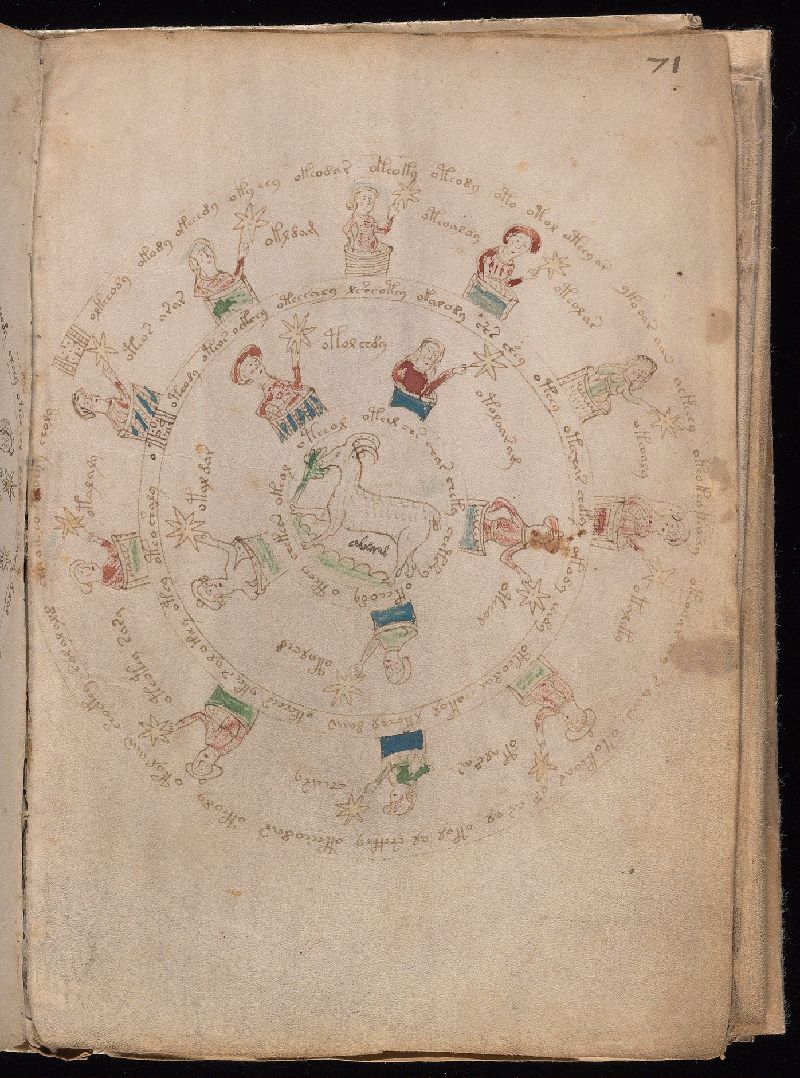 f.71r · Zodiac
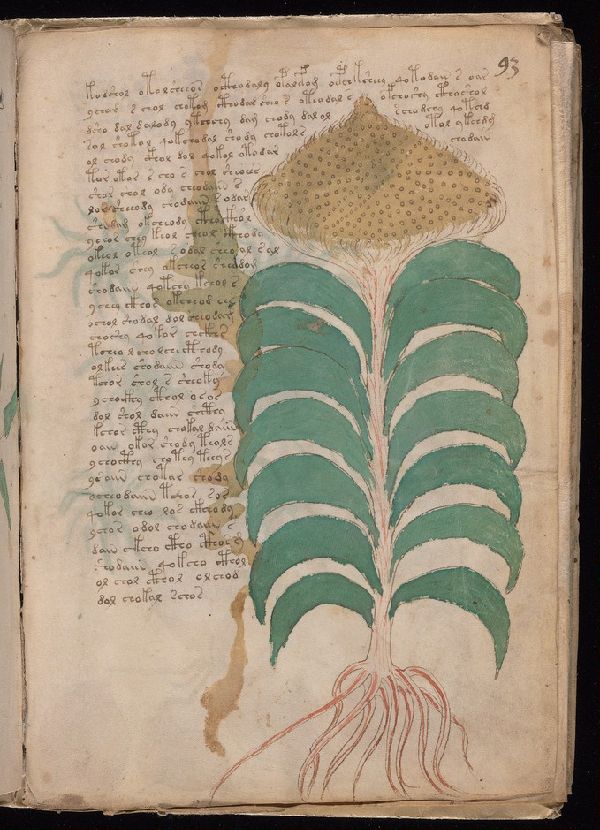 f.79r · Biological
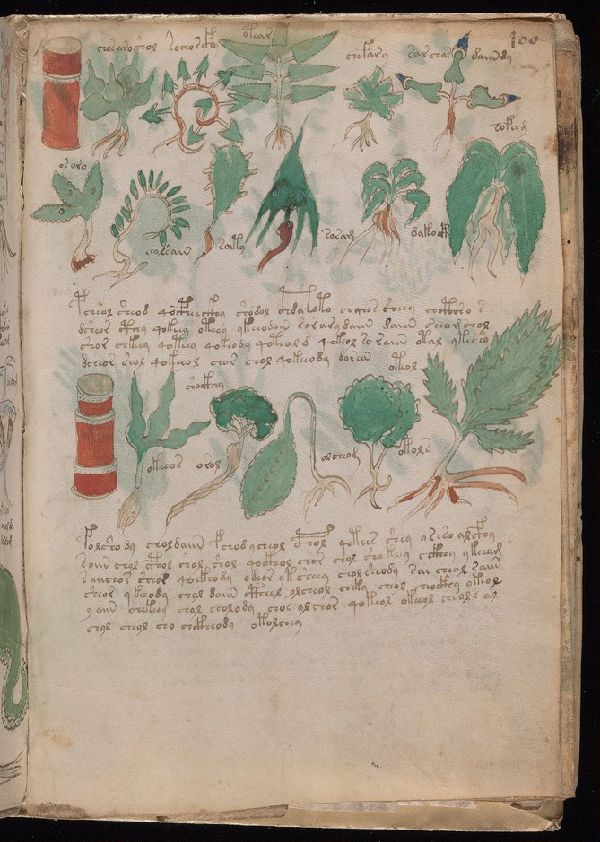 f.84r · Pharma
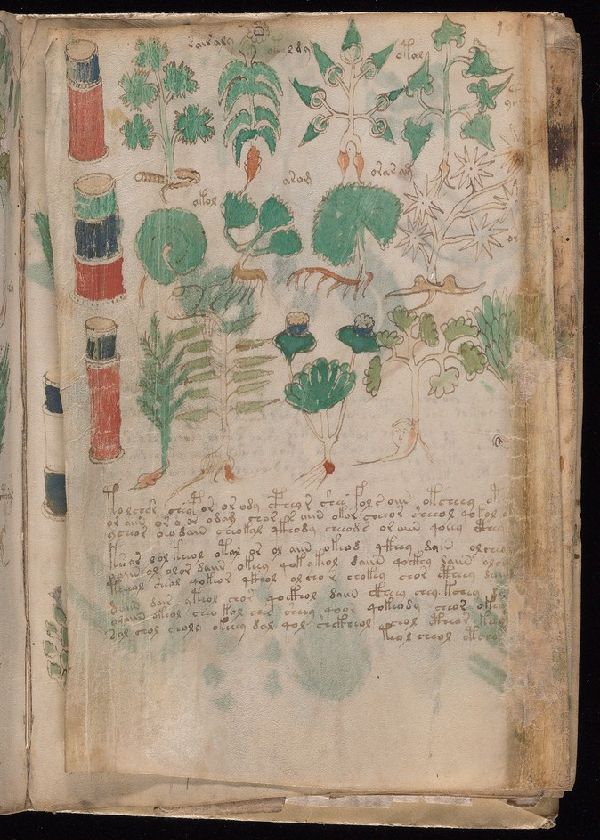 f.85r · Pharma